Commonly although not exclusively these compounds unfold their antimicrobial activity by disrupting the essential barrier function of the cell membrane. The bacterial membrane provides a target for antimicrobial peptides.

Pin On Work
Bacteria cannot attach to their hosts.
. Cell wall targets eg LPS lipid II NMR ITC SPR. Quesada et al 2015. Wimley and Hristova 2011.
Ceragenins target bacterial membranes yet the consequences of these interactions have not been fully elucidated. The polymyxins are natural polypeptide antibiotics that were first discovered in 1947 as products of Bacillus polymyxa. There are two groups of bacteria that have characteristically different surface membranes.
Which of the following antibiotics disrupts cytoplasmic membrane function. A streptomycin B erythromycin C tetracycline D penicillin E amphotericin B. Generally the activity of membrane-active antimicrobials depends on target membrane characteristics such as membrane lipid composition 2028.
Due to its central cellular role and the relatively easy accessibility for extracellular agents the bacterial cytoplasmic membrane is a major target for antimicrobial compounds such as membrane-targeting peptides Yeaman and Yount 2003. Chemical structures of the eight antimicrobial peptides and their respective lipid targets within the bacterial cell membrane. Ceragenins are cholic acid-derived antimicrobial agents that mimic the activity of endogenous antimicrobial peptides.
One is the Gram-negative bacteria that have an outer membrane rich in lipopolysaccharide. Diagrammatic representation of the novel proposed mechanism of action of colistin. They are lipophilic with detergent-like properties and interact with the lipopolysaccharide component.
No change in bacterial cell activity. Disrupting the membrane function by an antimicrobial compound can simultaneously. The mcr-1 gene encodes a phosphoethanolamine transferase that covalently modifies lipid A with phosphoethanolamine decreases the overall net negative charge of membranes reducing the electrostatic interaction thereby hampering colistin to disrupt the bacterial membrane Jeannot et al 2017.
Bacterial cells become more susceptible to. A small group of antibacterials target the bacterial membrane as their mode of action Table 4. The role of the outer membrane in allowing access of.
Membrane damage Sytox Green PI calcein leakage ion leakage DNARNA release OCD DSC NMR SEM. Permeation of the cytoplasmic membrane 2 107 cells were incubated at 30 C for up to 30 min with 2 The ability of temporin L to permeate the cytoplasmic membrane and 50 µM temporin L. Controls were run in the presence of was determined by measuring the β-galactosidase activity using the peptide solvent.
Bacterial cytoplasmic membrane is a major target for antimicrobial compounds such as membrane- targeting peptides Yeaman and Yount 2003. An antimicrobial that inhibits bacterial cell wall synthesis will result in which of the following. This article has been cited byother articles in PMC.
Colistin kills bacteria by targeting LPS in both the outer and cytoplasmic membrane CM leading to disruption of the cell envelope and bacterial lysis. Telomycin targetscardiolipin CL cinnamycin and duramycin target phosphatidylethanolamine PE. Wimley and Hristova 2011.
MBC bactericidal a Membrane depolarization DiSC 3 5 assay. Which of the following is a mechanism of antimicrobial resistance by penicillinase producing bacteria. Ceragenins target bacterial membranes yet the consequences of these interactions have not been fully elucidated.
Although previously under-exploited as an antimicrobial target the bacterial cell membrane is attractive for the development of novel antimicrobials due to its importance in pathogen viability. The polymyxin antibiotics that target cell membranes are being used more frequently to treat multidrug-resistant Gram-negative infections. The following antimicrobial peptides have been well characterized in regard to their specific interaction with membrane lipids.
Which of the following antimicrobials target the bacterial cytoplasmic membrane. The bacterial cytoplasmic membrane is a major inhibitory target for antimicrobial compounds. Production of enzymes that inactivate the drug changes in structure of proteins in the cytoplasmic membrane actively pumping the drug out of the cell change of the pH within the cell changes to the drugs target.
Daptomycin which targets both membrane function and peptidoglycan synthesis is especially effective in treating staphylococcal infections. Only polymyxin B and polymyxin E colistin have been used clinically. Cytoplasmic membrane proteins lose their function.
Several antimicrobials have been found to inhibit. As a consequence membrane permeability assays are c. Colistin binds to LPS in the OM 1 displacing cations that form bridges between LPS molecules which leads to.
Please change all question marks to checkmarks for correct answers or empty boxes for incorrect answers A. Acyl carrier protein is a bacterial cytoplasmic target of cationic antimicrobial peptide LL-37.
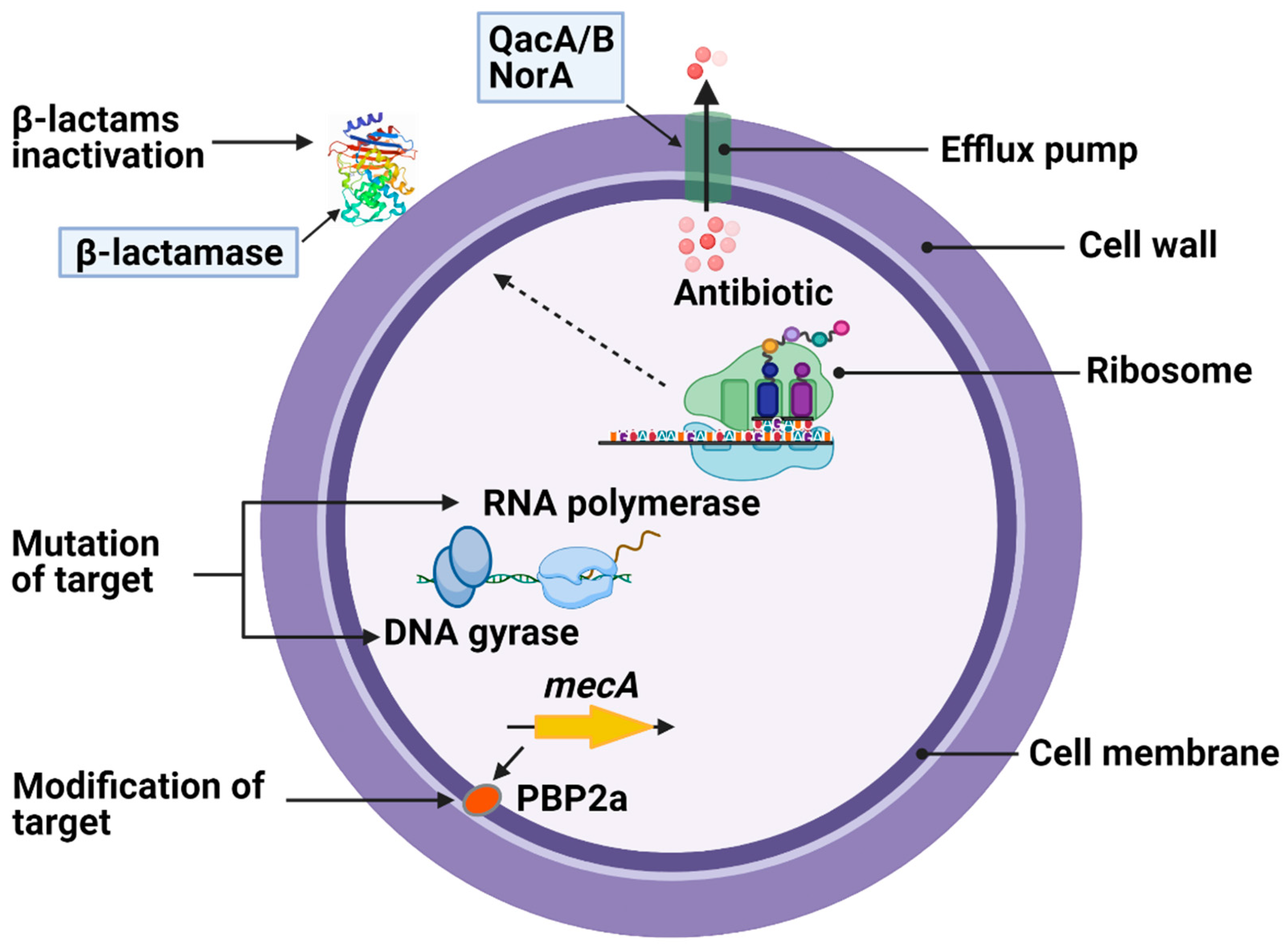
Antibiotics Free Full Text Bacterial Targets Of Antibiotics In Methicillin Resistant Staphylococcus Aureus Html
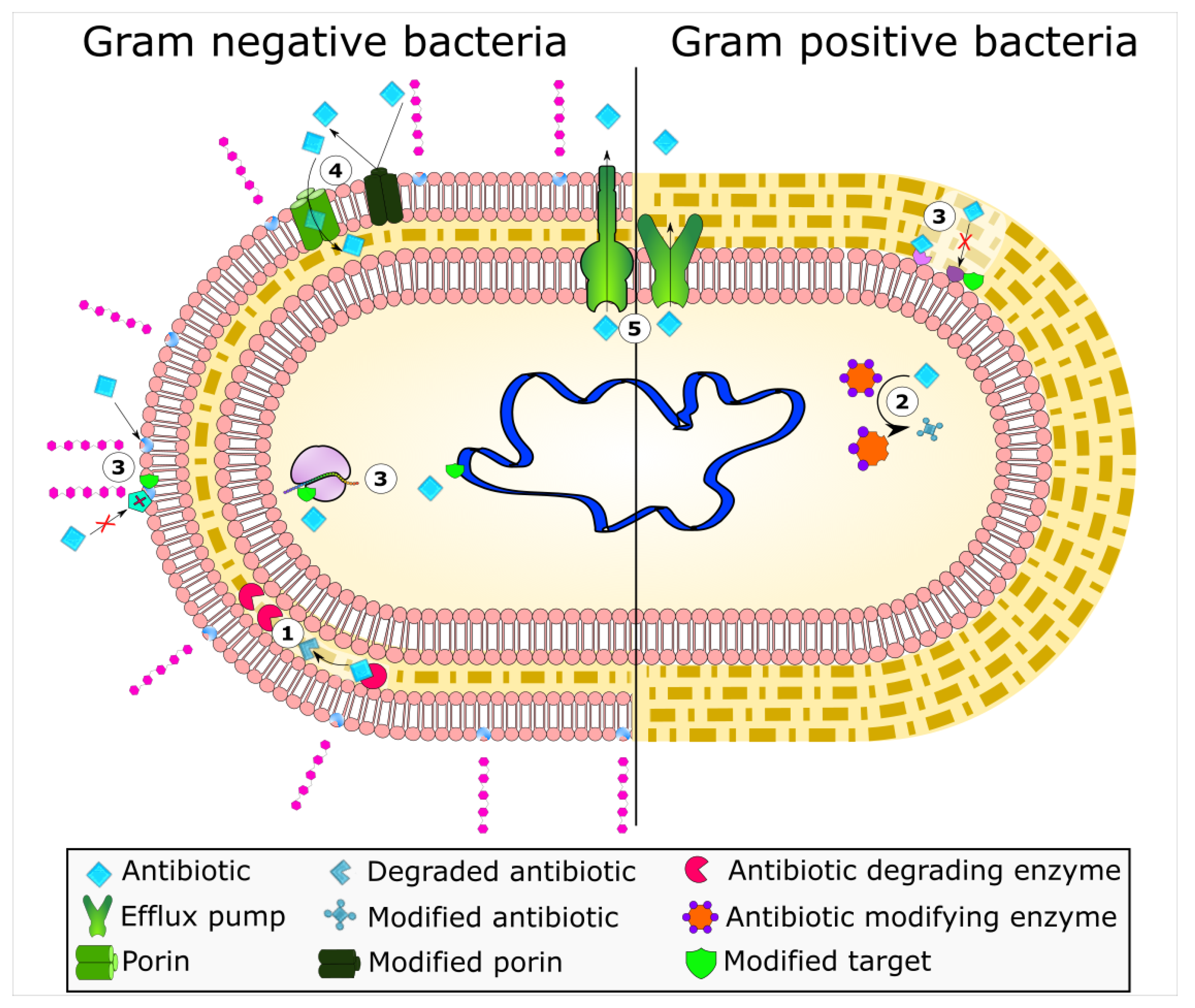
Antibiotics Free Full Text Bacterial Resistance To Antimicrobial Agents Html

Antimicrobial Drugs Part I




0 Comments